Andrea Dehlendorf ’90: Working for cross-class solidarity
by Astra Taylor
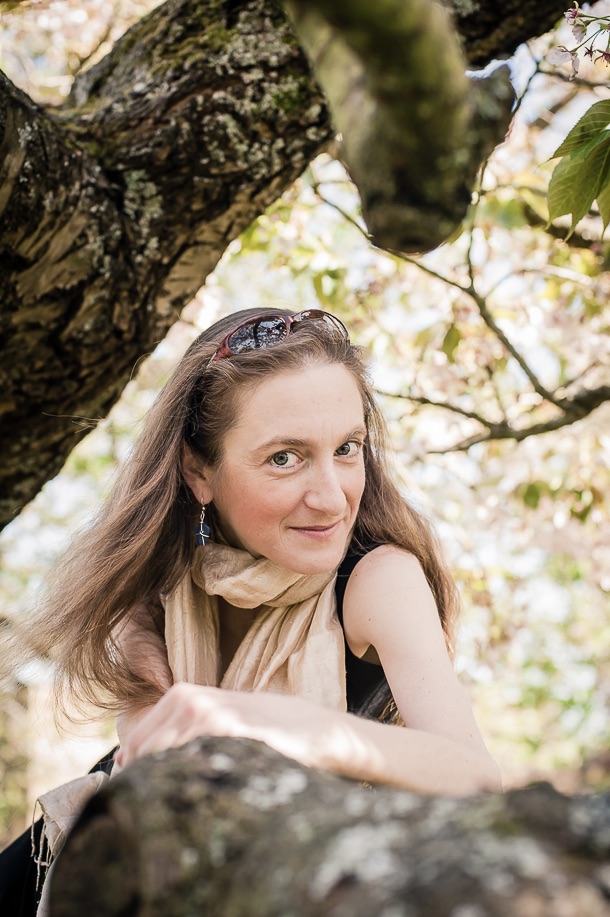
Photo by Matt Lever
Andrea Dehlendorf ’90 shakes her head remembering her graduation from Brown University in 1994. “A speaker called us ‘the elite of the elite’ and said we had an obligation to do ‘great things,” she recalls. “I found it absurd, and honestly laughed out loud.” A history and women’s studies major, Dehlendorf didn’t believe that privileged and academically pedigreed students were more equipped to effect change than anyone else.
More important, she didn’t believe that individuals alone could make the kind of change she felt was most important and meaningful — social change. Only people working together in social movements could do that.
And so she put her convictions to the test. After graduation, she moved to Las Vegas for three years to organize cooks, dishwashers, cocktail servers, and guest room attendants in Las Vegas casinos. From there she went to Los Angeles to organize janitors in the commercial real estate industry before heading to Silicon Valley — not to take advantage of the tech gold rush, like so many of her peers, but to fight alongside janitors, security officers and groundskeepers.
Today, Dehlendorf’s commitment to collective action is undimmed. Given the significant stakes of this moment, she believes that we need everyone in the fight for economic justice and democracy — including, or even especially, more members of the “elite of the elite.”
This kind of cross-class solidarity is what Dehlendorf is trying to nurture in her new role at Democracy Takes Work, a position she was recruited into by Leah Hunt-Hendrix, a scion of a famous Texas oil family who has dedicated her life to progressive causes.
Democracy Takes Work [aims] to place as much power and capital in the hands of those rebuilding society from the ground up as is held by those reshaping it from the top down. - Andrea Dehlendorf ’90
Together, Dehlendorf and Hunt-Hendrix are co-leading Democracy Takes Work with a focused goal: to rebuild union density to the levels that drove the height of both worker power and economic equality in the U.S. This isn’t about protecting one segment of the workforce. It’s about organizing across sectors and geographies to reestablish labor as a durable force in American life.
Building this alliance involves bridging different worlds. This past March, for example, Dehlendorf found herself speaking and hobnobbing at San Francisco’s illustrious Commonwealth Club as part of the rarified Global Philanthropy Forum. Days later, she was in Chicago for an invitation-only conference featuring 200 of the country’s smartest, scrappiest social movement leaders.
Dehlendorf credits her time at Lakeside with helping to orient her moral compass. She lights up reminiscing about Bob Maezlow’s world studies class and Jim Wichterman’s philosophy seminar. She remembers listening to new wave music on her Walkman, Guess jeans being all the rage, and how embarrassed she was of her parent’s green Volkswagen camper van — and how she and her fellow students were also reading Hannah Arendt and the existentialists, including Camus. They were challenged by guest speakers, including a Holocaust survivor who made an indelible impression. “The Holocaust loomed really large for me, because I am German,” she says. “I wondered: what would I have done if I had been alive at that time?”
At Lakeside, Dehlendorf cut her teeth as an activist, helping lead fellow students on their “January Days” excursions and organizing a school assembly focused on LGBTQ issues. These skills would serve her well when, in 2011, she helped spearhead a new form of worker association to take on Walmart that now operates as United for Respect. As a result, Walmart raised pay, redistributing billions of dollars from what was then the wealthiest family in the U.S. to cashiers, stockers, and greeters. They also won for full-time hourly workers the same paid family leave policy that salaried executives had.
At Democracy Takes Work, Dehlendorf is building on that success while expanding her purview. In addition to supporting the most exploited workers, she’s also building with public servants and academics who have found themselves in the Trump administration’s crosshairs: Environmental Protection Agency lawyers trying to keep the air safe, civil engineers designing local infrastructure, professors teaching history or art, scientists doing cancer research, and educators dedicated to students with disabilities.
“Andrea brings incredible energy, positivity, and wisdom to the much-needed movement-building and infrastructure design,” Massachusetts Institute of Technology’s Nobel prize-winning economist Daron Acemoglu tells me. “She is applying her deep experience and energy to one of the hardest and most urgent challenges of our time: improving the livelihood and making collective power of workers in the United States.”
Democracy Takes Work is the kind of long-term, high-leverage work that has historically struggled to find patient, strategic philanthropic support. With proper funding, Dehlendorf believes that the group can help rebuild a 21st century labor movement — the kind of movement that history shows is key to preventing democratic backsliding.
“Corruption and inequality are not inevitable. They’re choices,” Dehlendorf says, when I ask what motivates her. “We can make other choices.” She hears echoes of that question that haunted her in high school: What would I have done if I had been alive at that time? “We’re facing an authoritarian, corporate capture of our government. When working people and folks of means work together in alliance, lasting change can be made.”
by Emerson K. ’27
by Vina V. ’29